
· AI · Machinery
AI 2.0 – Germany’s second chance lies on the factory floor
The second wave of AI is physical. What the installed machine base is worth to PE investors – and why AI readiness belongs in every commercial due diligence.
By Alexander Ludorf, Managing Partner
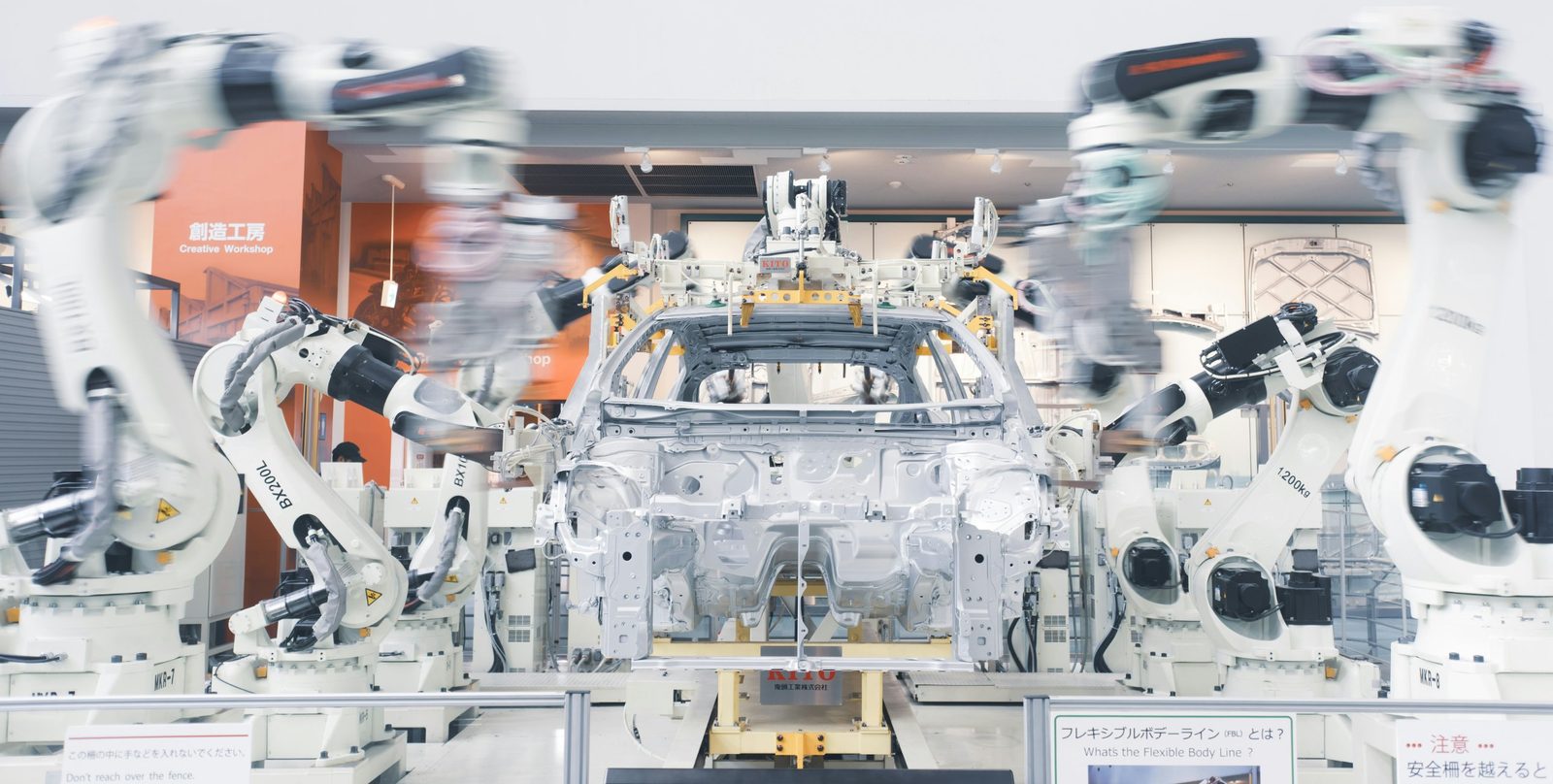
This week in Berlin, the German government signed a declaration of intent with Nvidia on industrial AI. Economy minister Reiche openly said what many think: Germany has lost the race for large language models. But the second wave of AI will be physical – and that is where German machinery builders are sitting on a treasure.
What does AI 2.0 mean in practice?
Not chatbots, but AI that controls machines, robots and production processes. Its raw material is sensor data, process knowledge and engineering expertise – plus a globally installed machine base that no tech group from Silicon Valley has.
Nvidia provides the open toolkit for this: Cosmos (world models that understand physics and generate synthetic training data), GR00T (a foundation model for robot control on which KUKA, ABB and FANUC are already building) and Isaac (simulation and deployment – from the digital twin to the chip in the machine). What is missing is domain data. And that lies with the German machinery industry.
What does this mean for PE investors focused on machinery?
- The installed base becomes an asset. Whoever has access to the operating data of their machines in the field can build service, software and AI business models from it – with recurring revenues and correspondingly higher multiples.
- AI readiness belongs in every commercial due diligence. Connectivity of the fleet, data ownership in service contracts, digital competence in management – from now on these are value drivers or valuation discounts. We now assess this dimension systematically in our CDDs.
- The real value creation happens after closing – during the holding period. Anyone who only tells this story at exit, instead of implementing it in the portfolio, will not get a multiple for it.
What does this mean for CEOs of machinery builders?
- Connect the installed base and tap into the data systematically.
- Partnerships rather than going it alone: the Nvidia ecosystem, Plattform Industrie 4.0, industry consortia.
- Prioritise use cases with clear customer benefit: predictive maintenance is the start, autonomous machine operation the goal.
- Develop pricing and licensing models for software and data – before a competitor or the platform does.
“We must not waste this opportunity,” says the minister. She is right. But between a declaration of intent in Berlin and implementation on the factory floor lies the real work.
That is exactly where we come in: in commercial due diligence, when it comes to assessing a target’s AI capability – and afterwards in strategy projects with portfolio companies and machinery builders that want to put these topics into practice.
Translated from the German original.
Where does your company – or your portfolio – stand? I look forward to the conversation: [email protected] or on LinkedIn.